


Friends, your response to our recent good-news story meant so much. People Power is growing, and you are helping make that possible.1
More and more people are connecting with our commitment to freedom over fear, progress, accountability, and power to the people. That growth tells me something important. People are looking for a place where they can stay informed, speak out, show up, connect with others, and build power together.
And we want to keep reminding folks what makes People Power United different: we do zero fundraising and have zero paywalls. Our work is about making news, information, and opportunities to take action available to everyone.
We generally send one People Power United newsletter each day. But for members who want to go deeper on the issues they care about most, we also publish focused newsletters exploring specific topics, including our work to defend and protect reproductive freedom for all.
I’m sharing today’s newsletter from that publication so you can get a feel for what we cover. It takes a deeper look at the news and action to defend bodily autonomy, protect reproductive healthcare, and advance reproductive justice.
If that’s your passion, I hope you’ll subscribe and join us there too. It publishes once a week, and like everything we do, the goal is simple: help people stay informed, get connected, and turn concern into action.
Power to the People!
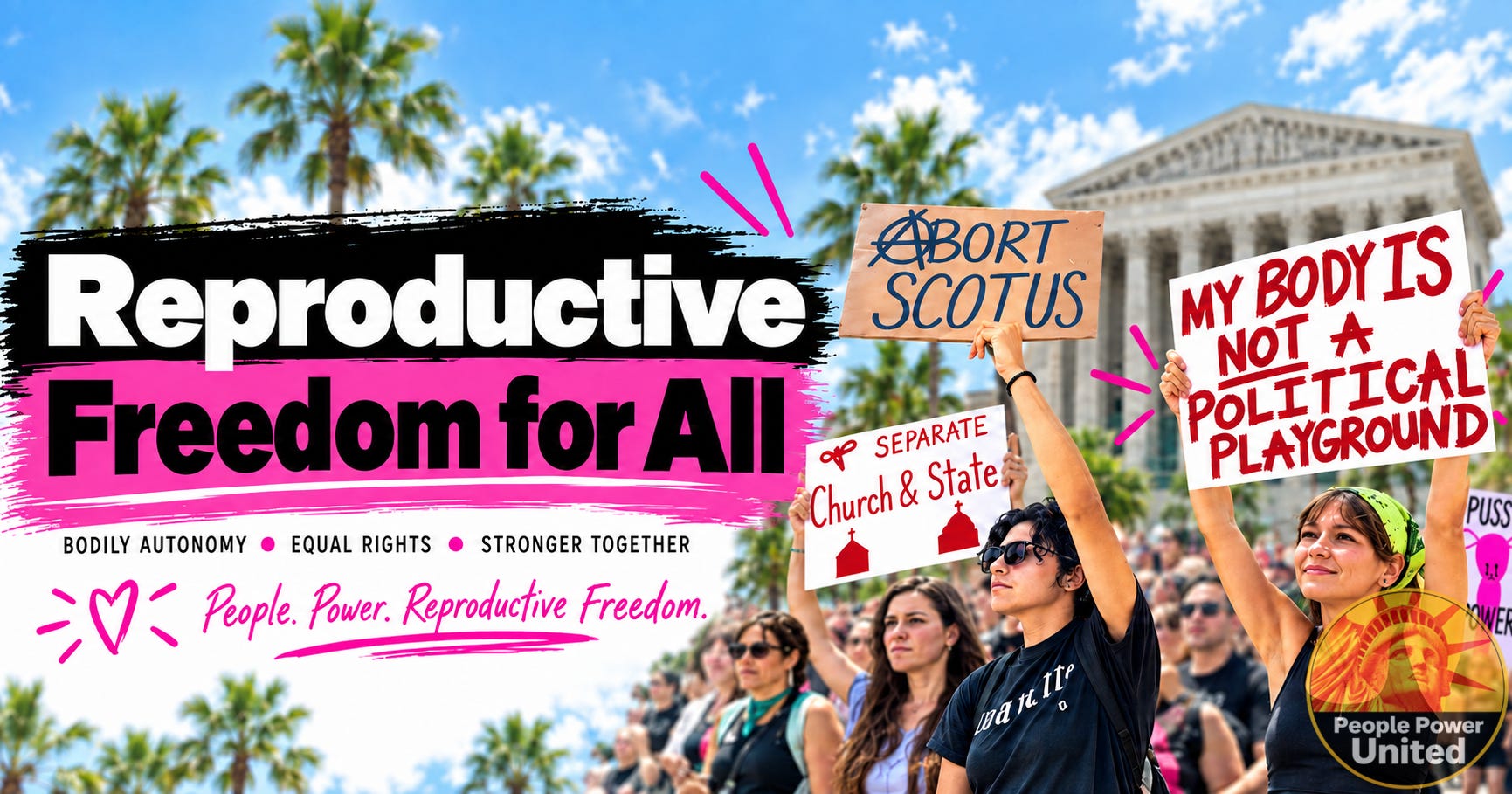
What’s Happening This Week in Reproductive Freedom for All
Reproductive freedom is being tested this week in courtrooms, voting booths, laboratories, and state capitols.
Three Republican attorneys general are asking the Supreme Court to strike down laws protecting abortion providers who legally prescribe medication across state lines. Missouri voters are being asked whether to take back reproductive rights they put into their own constitution just two years ago. With Election Day less than a month away, abortion is again emerging as a test not only of what voters support, but whether elected officials will actually respect those choices.
And beyond politics, researchers are making progress toward something women have been waiting generations to see: more responsibility for contraception placed on men.
Different stories. Same underlying question.
Who gets to make decisions about our bodies, our healthcare, and our futures?
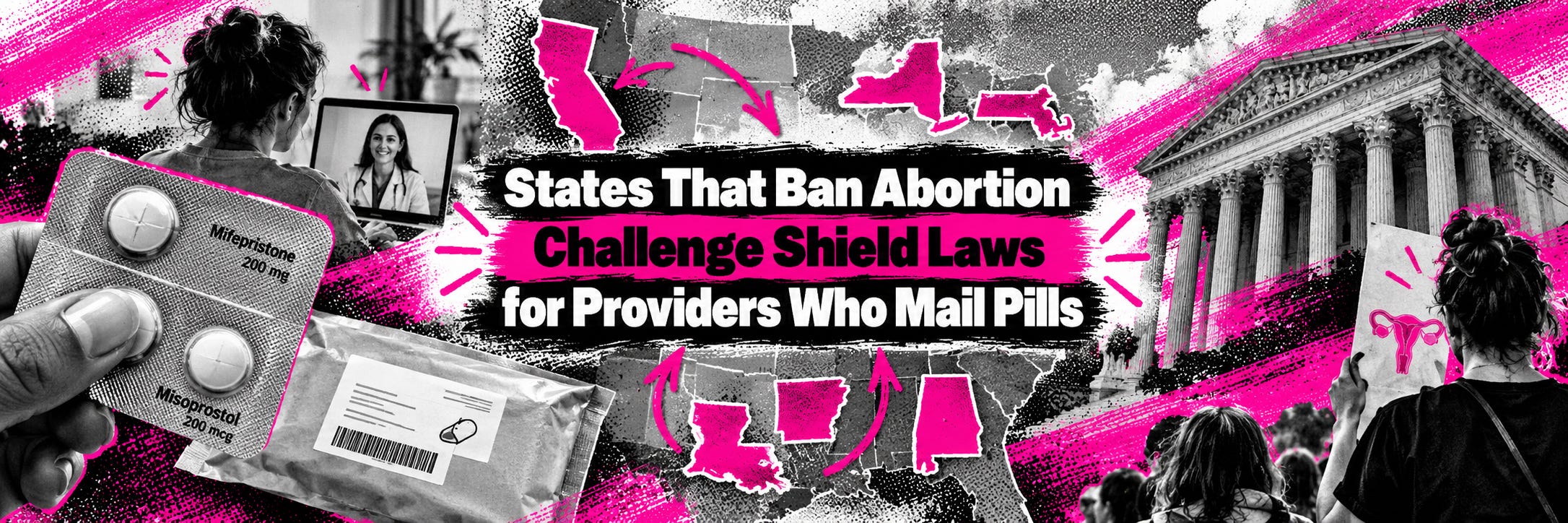
⚖️ Republican Attorneys General Challenge Abortion Shield Laws
Louisiana, Arkansas, and Alabama are asking the U.S. Supreme Court to invalidate abortion shield laws in California, Massachusetts, and New York. Those laws protect providers who legally prescribe and mail abortion medication to patients in states with abortion bans.
The states also filed a separate federal lawsuit naming 30 defendants, including telehealth providers. Shield laws generally prevent one state from helping another investigate or punish providers for care that is legal where the clinician practices. NY Times
Medication abortion and telehealth have become important sources of care for people living under abortion bans, making this dispute consequential far beyond the states involved.
Why it matters: After Dobbs, abortion policy was described as returning to the states. This case asks what happens when one state tries to enforce its restrictions against healthcare legally provided from another. The outcome could affect patients, doctors, pharmacies, and telehealth providers nationwide.
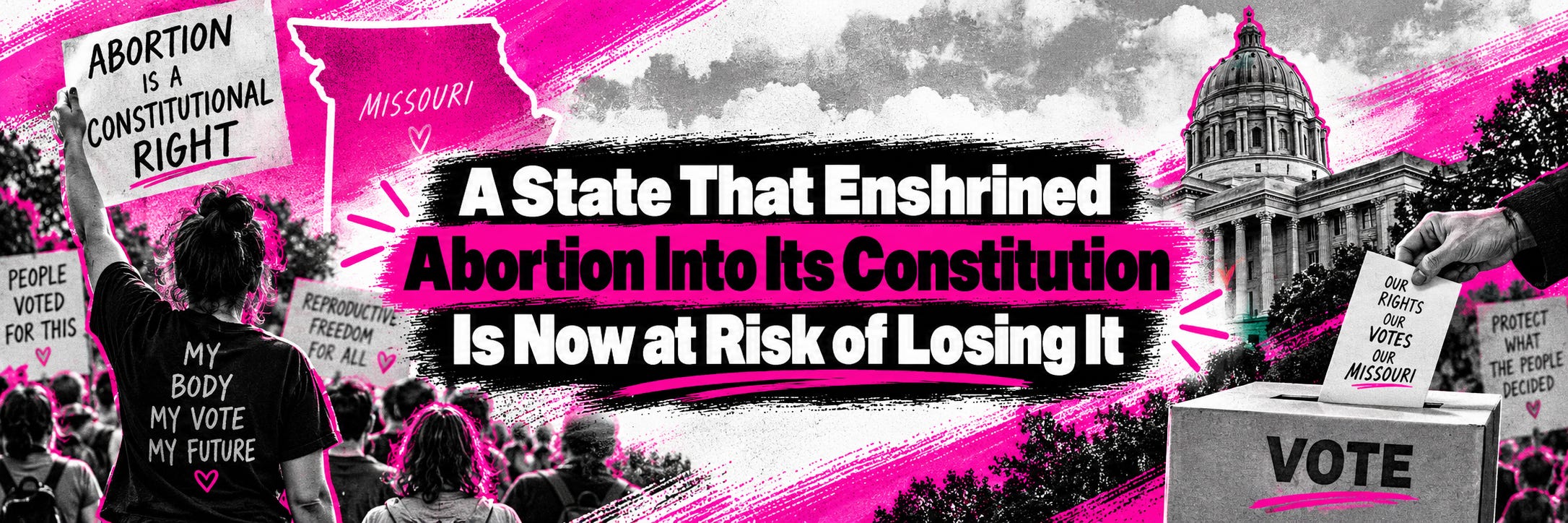
🗳️ Missouri Voters Face Another Vote on Reproductive Rights
Missouri voters added reproductive-rights protections to their state constitution in 2024. This November, they will vote on another constitutional amendment that would largely replace those protections.
The proposal would allow abortion only in limited circumstances, including medical emergencies, certain fetal diagnoses, and rape or incest before 12 weeks. It also includes restrictions involving gender-affirming care for minors. TPM – Talking Points Memo
Access remains uneven even after voters restored reproductive rights. One Missouri mother described traveling for two days because she could not obtain an appointment close to home soon enough.
Why it matters: Voters are being asked to revisit rights they approved only two years ago. The result will affect not just constitutional language, but whether patients can actually find a provider, afford travel, arrange child care, and receive care when they need it.
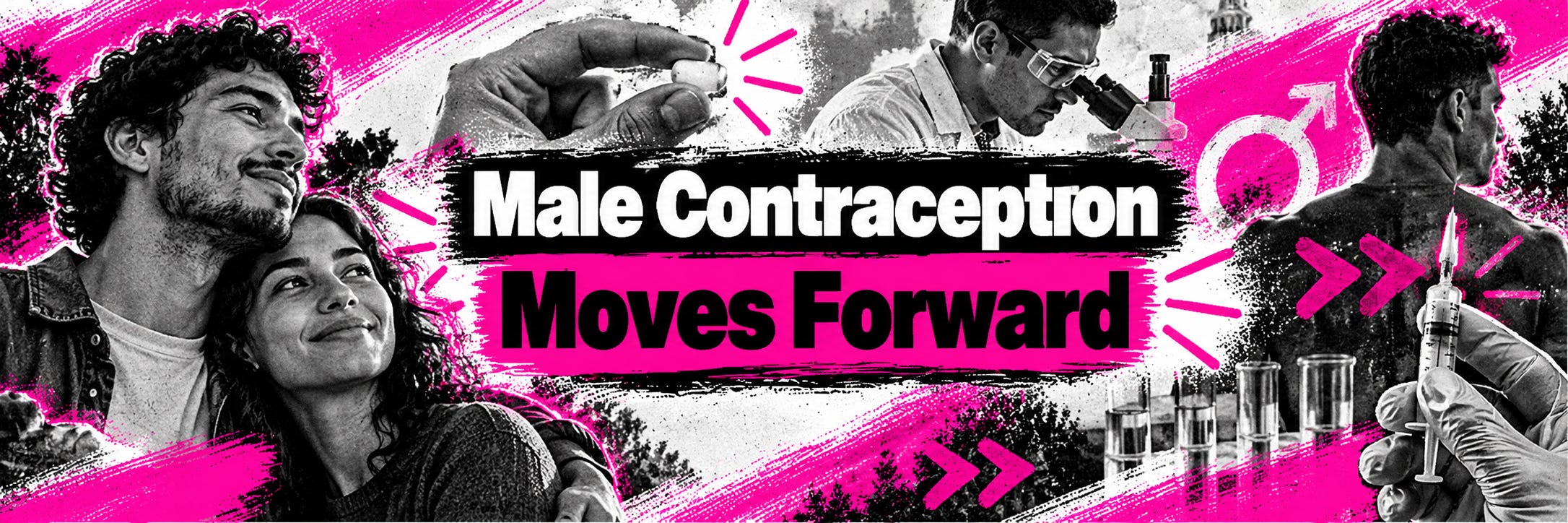
💊 Reversible Male Contraception Moves Forward
Researchers are advancing long-lasting, reversible male contraceptives that could give people more options for preventing pregnancy.
One approach under development temporarily blocks sperm from passing through the vas deferens and is designed to last for years while potentially remaining reversible. Other nonhormonal methods are also moving through clinical development. One company has completed a Phase 2 clinical trial and plans Phase 3 testing, with a goal of seeking FDA approval in 2028. Other approaches remain earlier in development, so approval is not imminent. The Washington Post
Why it matters: Contraceptive responsibility has historically fallen disproportionately on women. More safe and effective options for men could expand reproductive autonomy while allowing partners to share more of the responsibility, cost, and planning involved in preventing pregnancy.
💚 Good News Worth Carrying With You
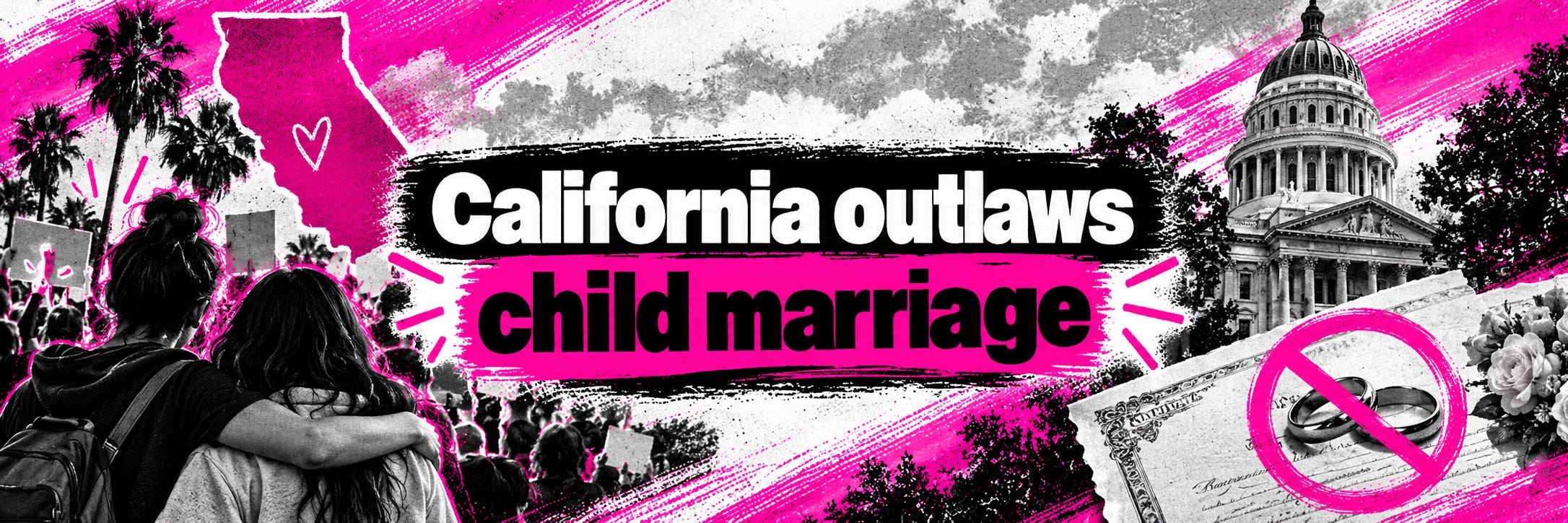
California Ends Child Marriage
California has banned marriage for people under 18, becoming the 18th state to prohibit child marriage. Previously, California allowed minors to marry with parental consent and court approval, with no statutory minimum age. The new law eliminates that exception. The Guardian
Child marriage is fundamentally a bodily-autonomy issue.
A child should not be locked into a legal relationship that can shape education, finances, healthcare, pregnancy, parenting, and personal freedom before reaching adulthood.
Protecting reproductive freedom means protecting people’s ability to make life-changing decisions freely, with real consent.
This is progress worth carrying with us.

📣 Take Action This Week
🗳️ Take Action» Check your registration, polling place, and what is on your ballot
Do not wait until Election Day to discover a registration issue, polling-place change, or ballot measure you have not read. Check your information now, review the full language of measures when possible, and understand what existing law would change.
🏥 Take Action» Find verified abortion-care providers and practical support resources near you
Even people who do not need care today may want to know what services are available where they live. Laws and provider availability can change, so use current information rather than relying on something you heard months or years ago.
❤️ Take Action» Support Organizations Doing the Bans Off Our Bodies Work
Reproductive Freedom for All is a reader-supported publication. To receive new posts and support our work, please consider becoming a free or paid subscriber.
👀 What We’re Watching
The shield-law challenge: The Supreme Court must decide how to handle the states’ request to invalidate protections in California, Massachusetts, and New York. A separate federal lawsuit against individual abortion providers is also underway.
Missouri’s November vote: Voters will determine whether reproductive rights placed in the state constitution in 2024 remain there. The result could also influence efforts elsewhere to revisit voter-approved reproductive protections.
The broader ballot: Idaho, Missouri, Nevada, and Virginia all have reproductive-rights questions before voters. Watch not only the measures but the officials elected alongside them.
Male contraception research: Clinical development is progressing, but approval is not imminent. The next stages will test safety, effectiveness, reversibility, affordability, and whether these methods can become realistically accessible.
❤️ One Thing to Carry With You
Reproductive freedom is the ability to make decisions about pregnancy, contraception, healthcare, and your own body.
This week is another reminder that winning a right does not mean it will stop being challenged. Voters can speak, doctors can provide legal care, and states can protect access, yet those decisions may still face new political and legal challenges.
So we keep paying attention. We read the fine print. We vote. We organize. We protect one another.
Our bodies do not belong to the government. Our healthcare does not belong to politicians.
People deserve information, care, dignity, and real choices. And organized people can help defend those freedoms.
Laurie Woodward Garcia
(paid with hugs and kisses, not bought by special interests)
Leader, People Power United
People Power United | In this community, we speak out, show up, and build power against racism, xenophobia, Islamophobia, antisemitism, homophobia, misogyny, sexism, ageism, ableism, sizeism, elitism, transphobia, misogynoir, and bigotry.
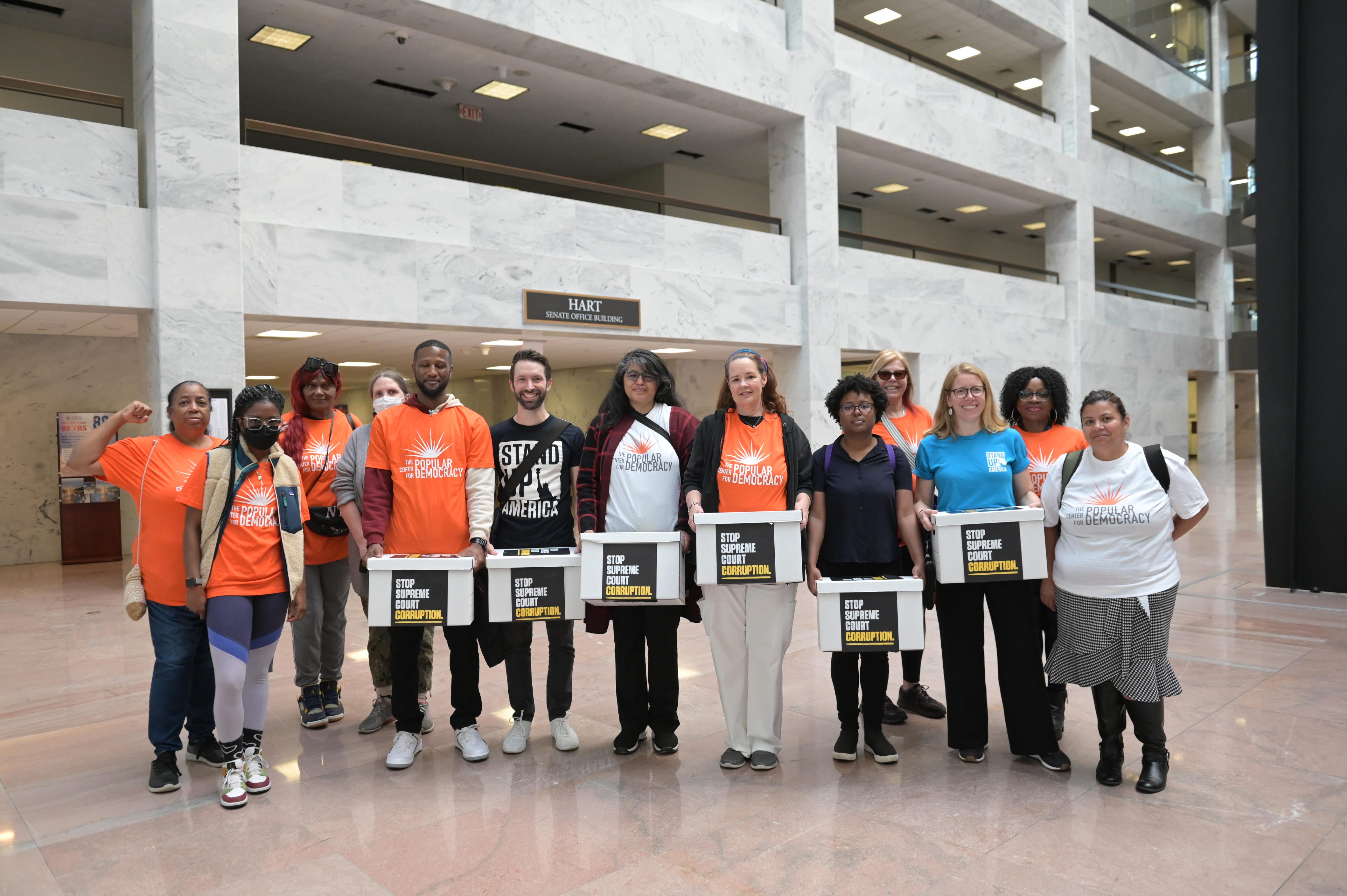
This is our moment to rise, resist, and reclaim our rights, freedoms, rule of law, and democracy. Millions of Americans are already refusing to back down — in the streets, at the ballot box, and in their communities.
Every movement that was ever won started with people who refused to quit. We are those people.
The future is not lost. It is being built — by us, right now.

Women need access to safe abortions-
Women are dying in the abortion ban states. Women do want to be controlled